


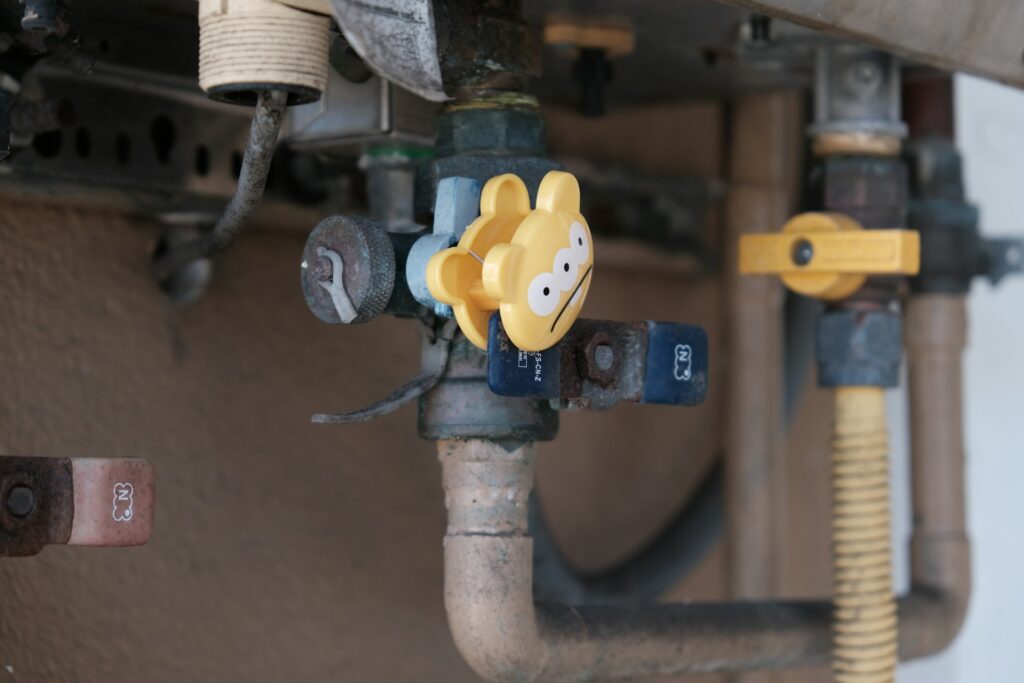
Protect Your Home with a Safer Gas Piping Plan
Safe, dependable gas piping matters even more when Manchester temperatures begin to drop and heating equipment starts working harder. Gas lines may supply your furnace, boiler, water heater, range, dryer, fireplace, or outdoor appliances, so one part of the system can affect comfort throughout the home.
A gas piping upgrade is more than a response to a broken line. It can be a smart way to address aging materials, damaged connections, poor installation, or a line that no longer matches your household’s gas needs. As a family-owned plumbing and heating company, we at Jenkins Plumbing & Heating help homeowners evaluate gas piping concerns, make needed repairs or upgrades, and prepare their systems for seasonal use.
Recognize Gas Piping Problems Before Winter Arrives
Some gas piping concerns are easy to miss until an appliance stops working properly. Others need immediate attention. Knowing the warning signs can help you act quickly and bring in a professional before a small concern becomes an urgent situation.
Watch for signs such as:
- A sulfur or rotten-egg smell near a gas appliance or gas line
- Hissing sounds around piping, fittings, or appliance connections
- Dead or discolored vegetation near an outdoor gas line
- An unexplained increase in your gas bill
- Appliances that struggle to ignite, shut off unexpectedly, or will not stay running
If you suspect a gas leak, leave the building right away. Do not turn lights or switches on or off, use a phone indoors, operate appliances, smoke, or use open flames. Once you are safely away from the building, contact 911 or your gas utility. Do not try to find the leak or repair it yourself.
Not every issue is a leak, but every warning sign deserves professional attention. During an inspection for gas piping in Manchester, NH, we can look for damaged connections, corrosion, outdated materials, or piping that may not be sized correctly for the appliances it serves. Finding concerns before the busiest part of heating season can make planning much less stressful.
Plan an Upgrade That Matches Your Home’s Gas Needs
A gas line that worked well years ago may not have enough capacity today. For example, a system originally installed to serve one furnace and water heater might need changes after adding a gas range, fireplace, dryer, generator, or high-efficiency boiler.
Before recommending work, we review your existing piping and the appliances connected to it. We also discuss plans that could change how much gas your home needs in the future. This early planning helps prevent a new appliance from putting unexpected demand on an older system.
A qualified gas piping plan considers details including:
- The type and condition of existing pipe
- The BTU needs of each connected appliance
- Gas pressure needs and the route of the piping
- Proper shutoff valve placement and access
- Local permitting and inspection requirements
Late September is often a practical time to think ahead. Completing needed work before colder weather settles in can reduce the chance of a heating interruption when you rely on your system most. It can also help you avoid making major decisions during an emergency.
Understand What Happens During a Safe Gas Line Upgrade
Every property has its own layout, appliance setup, and piping history. That is why a safe upgrade starts with an on-site evaluation rather than a one-size-fits-all answer. We identify the gas source, review connected appliances, inspect accessible piping, and explain what we find in clear terms.
Depending on the condition of the system and your plans for the home, gas piping work may include replacing worn sections, installing correctly sized pipe, adding a dedicated line for an appliance, improving access to shutoff valves, or securing piping properly. The exact scope should match the home’s needs, not a generic checklist.
Once installation work is complete, connections must be tested carefully. Gas piping requires trained handling, proper installation practices, leak testing, and attention to applicable local codes and utility requirements. Professional service helps protect your home and supports the proper operation of the appliances that depend on gas.
Schedule Your Gas Piping Evaluation Before Cold Weather
An evaluation can be especially helpful if you are adding a gas appliance, renovating a kitchen or basement, replacing a boiler or water heater, or living in an older home with an unclear gas line history. It is also a good idea to arrange an inspection if you have noticed unusual appliance behavior, odors, sounds, or changes in gas use.
Fall is a sensible season to address concerns before heating equipment begins running for long stretches. A planned inspection or upgrade gives you time to understand the condition of your gas system and address needed work without waiting for a problem to interrupt your comfort.
When gas piping is properly planned, installed, and tested, your home is better prepared for the demands of colder weather. Paying attention to warning signs and addressing changes before adding new appliances can help keep your heating and gas equipment operating more reliably.
Get Clear Answers for Your Gas Line Project
Jenkins Plumbing & Heating can help you make informed decisions before your next gas line upgrade or repair. For dependable gas piping in Manchester, NH, our team can assess your needs and discuss practical options for your home. Contact us to schedule service and get professional guidance for your project.