


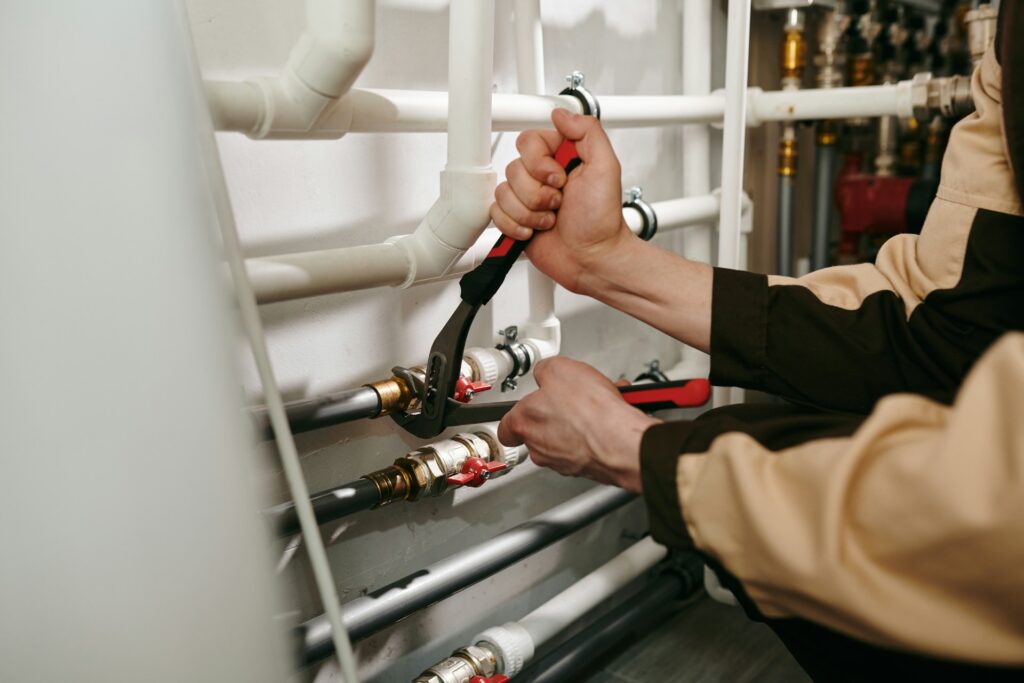
Protect Your Home Before a Small Leak Becomes a Flood
A working main water shutoff valve is your home’s first line of defense during a plumbing emergency. When a supply line leaks, a pipe bursts, or a fixture suddenly fails, closing that valve can stop more water from entering the home.
If the valve will not close, water can keep flowing while damage spreads through floors, walls, cabinets, and stored belongings. We often find that people do not discover a shutoff problem until they need it most, which is why early attention matters.
As late September brings cooler weather to Manchester, NH, plumbing systems can face added stress from changing temperatures and the months ahead. We recommend knowing where your main shutoff is located before an emergency occurs. If the valve looks damaged, is hard to reach, or has not been used in a long time, professional attention is a safer choice than waiting for a leak.
Common warning signs include:
- A valve handle that will not turn
- Water still running after the valve is closed
- Corrosion, staining, or moisture around the valve
- A handle, stem, or fitting that looks worn or loose
Fast action can help limit water damage and prevent a small plumbing concern from becoming a major cleanup project.
When a Stuck Valve Leaves Water Running
Main shutoff valves can become difficult to turn after years of limited use. Mineral deposits, rust, internal corrosion, and aging parts may cause the handle or valve stem to seize. A valve can look fine from the outside while its internal parts are no longer moving as they should.
Trouble often begins during another plumbing problem. You may notice a leak from a toilet supply line, washing machine hose, water heater connection, or damaged pipe and try to shut off the water. If the main valve is stuck, the water continues moving through the system while you are left without control.
Sometimes a valve turns but does not fully stop the flow. The handle may reach the closed position, yet water still feeds fixtures or a leaking line. That situation needs prompt help from an emergency plumber in Manchester, NH because the valve is not doing its job when it matters most.
Please do not force a stuck shutoff with excessive pressure or heavy tools. A weakened handle, valve stem, or nearby pipe connection can break under stress and create a larger active leak. We can assess the condition of the valve, isolate the water safely, and repair or replace damaged components without adding to the problem.
Corroded Shutoffs Can Break Without Warning
Corrosion around a main water shutoff is never something we suggest ignoring. Even a small amount of moisture near the valve may point to a slow leak, failing fitting, or deteriorating connection. Over time, water and mineral buildup can weaken metal parts that once appeared solid.
Watch for signs such as:
- Green staining on copper pipes or fittings
- Rust on metal valve parts or screws
- White, chalky mineral buildup around connections
- Dampness, dripping, or discoloration near the valve
- A handle that is flaking, stiff, or visibly deteriorated
Corrosion can weaken the valve body, threaded connections, and pipe joints. Then, when someone tries to close an old valve during an emergency, the movement can cause a brittle part to crack. What started as a manageable leak may quickly turn into a stronger release of water.
A professional inspection can show whether the issue is limited to the shutoff valve or involves nearby water lines, fittings, or pressure-related components. Replacing a failing valve before it breaks gives you more control over your plumbing system and helps avoid surprise water damage.
Cold Weather Makes Weak Shutoffs More Dangerous
Fall in New Hampshire is a good time to think about plumbing readiness. As temperatures continue to drop, pipes in basements, crawl spaces, garages, and exterior walls can become more exposed to freezing conditions. If a pipe begins leaking or bursts, a dependable main shutoff can make a big difference.
Before the first hard freeze, we recommend confirming where the valve is located and making sure it is not blocked by boxes, furniture, or stored items. Everyone in the household should be able to identify the shutoff quickly. The valve should be accessible, move smoothly when professionally checked, and fully stop the water when closed.
A damaged shutoff should be addressed before winter weather makes plumbing problems harder to manage. When we inspect a concerning valve, we can also identify related issues that may need attention, such as leaking pipes, worn fittings, or areas where pipe insulation may be helpful. This kind of early review can reduce the chance of being caught without water control during cold weather.
Get Emergency Help Before Water Damage Grows
A failed main shutoff is not a problem to put off, especially when water is actively leaking, the valve will not close, or a component has broken during operation. Emergency plumbing service can help stop the water, repair damaged pipes, and restore control of the supply before moisture reaches more of your home or business.
When a shutoff failure happens, protect yourself by staying clear of standing water near electrical equipment and avoiding forceful attempts to move damaged plumbing parts. Locate the valve, keep the area accessible, and seek help promptly when the water cannot be fully shut off.
Restore Control With Fast Plumbing Support
Jenkins Plumbing & Heating is ready to assess the problem and help limit further damage. For responsive help from an emergency plumber in Manchester, NH, reach out to our team any time. We will provide clear next steps and dependable service when your plumbing needs immediate attention.