


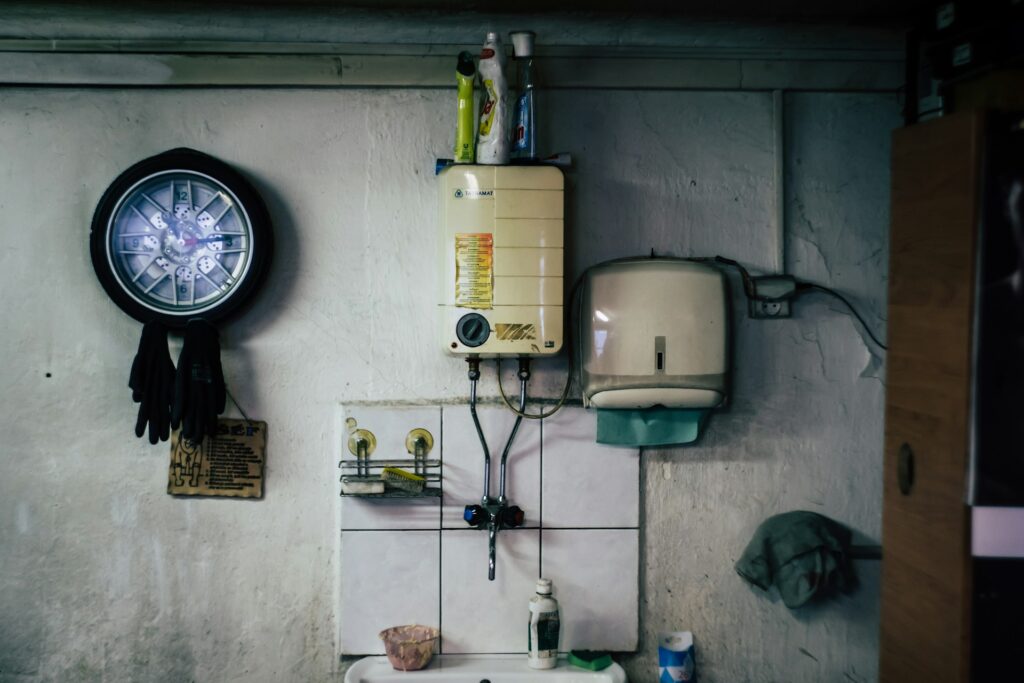
Choosing a water heater before New Hampshire’s heating season arrives can make winter routines much easier. As incoming water gets colder, the difference between a system that meets your household’s demand and one that struggles becomes easier to notice, especially during busy mornings, laundry days, and visits from family.
At Jenkins Plumbing & Heating, we help homeowners weigh water heater replacement options based on their daily habits, available space, fuel source, and existing connections. Both tankless and storage tank water heaters can be dependable choices, but they work in very different ways.
Tankless Water Heaters Heat Water on Demand
A tankless water heater heats water only when you need it. When you turn on a shower, sink, dishwasher, or washing machine, the unit warms water as it passes through. Because it does not keep a large tank of water hot all day, it can reduce standby energy loss.
The biggest appeal is continuous hot water. With the right system, you can take a long shower or handle back-to-back showers without waiting for a tank to refill and reheat. That does not always mean unlimited hot water for every fixture at the same time, though.
During a Manchester winter, cold groundwater needs more heating before it reaches your faucet. If several people are showering while the dishwasher and washing machine are running, a tankless unit can reach its flow limit if it is not sized correctly.
When we evaluate a tankless water heater in Manchester, NH, we look at more than the number of bathrooms. A proper review includes:
- How many fixtures may run at the same time
- Your household’s shower, laundry, and dishwashing habits
- The available gas supply or electrical requirements
- Venting options, drainage needs, and installation location
- Whether existing gas piping or venting needs changes
Tankless units are compact and can free up floor space, which is helpful in smaller utility rooms. Still, installation can involve more than simply swapping one unit for another. An on-site assessment helps us identify what the home needs before selecting equipment.
Storage Tank Water Heaters Provide a Ready Reserve
A conventional storage tank water heater keeps a set amount of hot water ready for use. That stored supply can provide strong flow to several fixtures at once until the tank begins to run low. For many homes, this familiar setup remains a practical and reliable choice.
Storage tanks are often a straightforward replacement when a home already has a similar unit in place. The existing water, fuel, venting, and electrical connections may be easier to work with than they would be during a tankless conversion. That can matter when an aging water heater leaks or stops producing hot water unexpectedly.
The tradeoff is capacity. Once a household uses most of the stored hot water, the system needs time to recover. Several showers, a large load of laundry, and appliance use can drain the available supply faster than some families expect.
Performance depends on more than tank size alone. We also consider:
- The tank’s first-hour rating
- Its recovery time after heavy use
- The household’s busiest hot water periods
- The fuel type serving the home
- Space for the unit and future service access
A properly sized storage tank can work very well for a larger family, especially when the household’s heaviest hot water use happens at predictable times. If everyone showers at different times of day, a storage tank may provide a comfortable fit without needing the added installation scope of a tankless system.
Look at Long-Term Ownership, Not Just the Equipment
Water heater decisions should include more than the unit itself. Tankless systems can require changes to gas piping, venting, condensate drainage, or electrical service. A storage tank may be simpler to install when compatible connections are already in place, but it continues reheating stored water throughout the day.
Energy use can vary widely from one household to another. A smaller household with moderate water use may appreciate the reduced standby losses of a tankless system. On the other hand, a busy household with several simultaneous users may need a higher-output tankless unit, more than one unit, or a carefully selected storage tank.
We recommend discussing the full picture before making a choice, including:
- Expected hot water demand now and in the future
- Maintenance needs for the equipment type
- Fuel use and available utility connections
- Warranty terms and service requirements
- Whether you expect to stay in the home for many years
Both types of water heaters benefit from regular professional maintenance. Mineral buildup can affect performance, so flushing or descaling may be needed depending on the system and water conditions. Keeping up with service helps protect efficiency and supports reliable operation over time.
Sizing Matters During Manchester Winters
The right size matters just as much as the type of water heater. Tankless systems are rated by flow and temperature rise, which means their available output can drop when incoming water is especially cold. A unit that seems adequate during warmer months may not keep up with winter demand if it was chosen without considering local conditions.
For a tankless water heater in Manchester, NH, we review your realistic peak demand rather than only looking at one shower or one faucet. That means considering how your family actually uses hot water during the busiest part of the day.
An in-home assessment also helps us review the practical details that affect installation and safety. We look at the number of residents, bathrooms, high-demand appliances, fuel source, water heater location, venting route, drainage, and available space. For storage tanks, we also consider physical dimensions, recovery performance, access for future replacement, and drain pan needs.
Early fall is a sensible time to plan ahead. Once freezing weather arrives, a sudden water heater failure can turn a careful decision into a rushed one.
Choose the Water Heater That Fits Your Routine
Neither option is automatically better for every Manchester home. Tankless water heaters offer compact, on-demand performance with less standby heat loss, while storage tanks offer a familiar reserve of hot water and dependable flow during high-use periods. Your household’s routines, utilities, space, and installation conditions should guide the decision.
Before replacing a water heater, think about when your home uses the most hot water, how many fixtures may run together, and how winter water temperatures can affect performance. A properly sized and professionally installed system can help keep everyday routines comfortable in every season.
Get Reliable Hot Water for Your Home
If you are considering a tankless water heater in Manchester, NH, Jenkins Plumbing & Heating can help you evaluate the right option for your household. Our team can answer your questions, assess your current setup, and recommend a solution that fits your hot water needs. Contact us today to schedule a service appointment.