


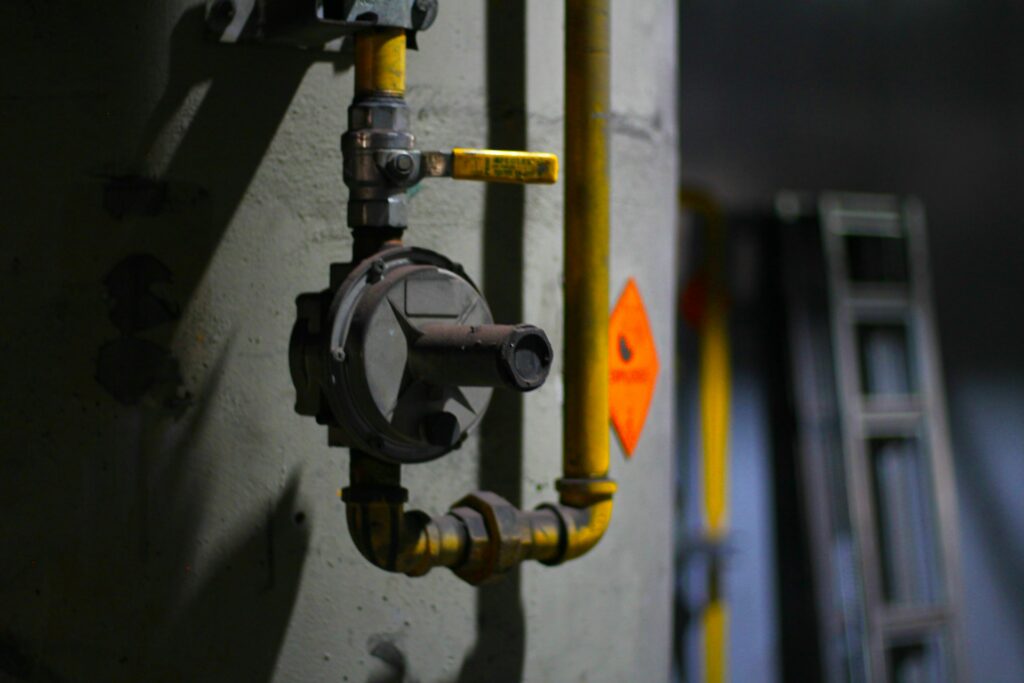
Avoid Dangerous DIY Gas Line Mistakes This Summer
Gas lines are one part of your home you cannot afford to get wrong. A small leak or loose fitting can turn into a serious safety problem very fast, even if everything looks normal from the outside. That is why any kind of gas line repair in Concord, NH should be handled with real care and a focus on safety.
Summer is a popular time for home projects in our area. People are adding gas lines for new kitchen ranges, outdoor kitchens, fire pits, gas grills, or pool heaters. Those projects often seem simple, but they almost always involve gas piping, shutoffs, and code rules that most homeowners do not see every day. Our goal here is to help you understand common gas line mistakes, what they look like, and when it is time to bring in a licensed professional instead of trying to figure it out yourself. New Hampshire building codes and local utility requirements also make proper gas work important for home resale and future inspections.
Misjudging What Counts as a Gas Line Emergency
One of the biggest mistakes we see is not treating a gas issue like the emergency it really is. A true gas emergency can show up in several different ways, including:
- Strong sulfur or rotten egg smell inside or outside
- Hissing or whistling sounds near a gas line, meter, or appliance
- Patches of dead or discolored grass or plants over a buried line
- Sudden headaches, dizziness, or nausea when you are indoors
We sometimes hear that people decided to wait and see if the smell went away, or they just opened a window and stayed inside. That is very risky. Even a faint or on-and-off gas odor can mean a leak that may spread or collect in low spots, and a single spark is all it takes to cause serious damage.
If you suspect a gas leak, do not try to track it down on your own. Do not flip light switches, plug or unplug anything, or use phones inside. Leave the building right away, get everyone a safe distance away, and then:
- Call your gas company or emergency line from outside the house
- Keep people away from the area until it is checked
- Once the gas company says it is safe, contact a licensed plumber to correct the issue
Older homes in Concord and nearby towns often have aging gas piping, older valves, and older appliances, so smaller odors can be easy to brush off as “normal.” They are not. Any gas smell is a clear sign that something needs professional attention.
DIY Fixes and Online Tutorials That Create Bigger Hazards
Another common mistake is trusting online videos or casual advice for gas line repair in Concord, NH. It can look simple on screen. Tighten a fitting here, cap a line there, move a short run of pipe to fit a new cabinet layout. In real life, there is much more going on inside that piping than most people realize.
DIY gas line work often goes wrong in a few ways:
- Using the wrong pipe dope or Teflon tape that is not rated for gas
- Installing flexible gas connectors that are not approved for local use
- Reusing old, corroded, or damaged fittings because they “look fine”
- Trying to pressure test a line with makeshift tools or no test at all
One of the most dangerous habits is using a lighter, match, or open flame to “check for leaks.” Even a small amount of gas can ignite quickly. Licensed plumbers use approved testing methods and leak detection solutions that do not put your home or family at risk.
On top of that, codes and permitting rules do change. A video that is several years old might show materials or methods that are no longer allowed in New Hampshire. What looks like a quick fix can turn into a problem when it is time to sell your home or pass an inspection.
Ignoring Local Codes and Permit Requirements
Gas work is not just about getting the gas to flow. It has to follow state code, local town rules, and utility company requirements. In the Concord area, many gas line changes need permits and inspections, even when the work is inside your house.
We often run into a few common assumptions, such as:
- “It is just a small change, I am only moving the line a little.”
- “It is inside my home, so I can do what I want.”
- “The old line worked fine, so I can just hook it back up.”
Those ideas can cause trouble later. Unpermitted or non-code-compliant gas work can create problems during a home inspection, slow down a sale, or trigger extra repair work before you can close. If there is a gas-related incident, unapproved work might also affect how your insurance company views a claim.
Local, licensed plumbers work with these rules every day. We understand how New Hampshire code and town inspection processes apply to gas line repair, new appliance hookups, and line alterations. That helps your project pass inspection smoothly and protects your long-term home value.
Overlooking Seasonal Stress on Gas Lines and Appliances
Summer is when many homeowners add new gas appliances. Outdoor grills, patio heaters, and backup generators are all popular in the Concord area. At the same time, people start thinking about getting ready for the cooler months ahead, when furnaces, boilers, and water heaters work harder again.
A mistake we see is adding new gas loads without checking if the existing gas line size and pressure are enough for everything on the system. If your line is undersized, you can end up with:
- Weak burner flames or poor appliance performance
- Appliances that struggle to light or keep running
- Unsafe operating conditions once heating season starts
Our New Hampshire weather adds another layer. Freeze and thaw cycles, ground movement, and moisture can affect buried lines, exterior piping, and shutoff valves over time. Fittings can loosen, corrosion can build up, and valves can become stiff or stuck after sitting all winter and spring.
Some smart seasonal steps include having a professional:
- Inspect gas lines and shutoffs before adding any new gas appliance
- Check line sizing and gas pressure for the full load in your home
- Look for corrosion, damage, or stress on outdoor and buried piping
- Confirm that your heating system is ready before cooler weather returns
Catching issues early is far easier than dealing with a problem on the first cold night when you need heat.
When to Call a Pro and How Jenkins Plumbing & Heating Can Help
So how do you know when it is time to bring in a licensed plumber for gas line repair in Concord, NH? As a simple rule, if something feels off, do not ignore it. Some clear red flags include:
- Any gas odor inside or outside, even if it comes and goes
- Hissing sounds near gas piping, meters, or appliances
- Rusted, bent, or damaged gas pipes or flexible connectors
- Unexplained jumps in your gas bill without a change in use
- New or relocated gas appliances of any kind
When you call a professional, you should expect careful inspection, proper testing, and a clear explanation of what is going on. A licensed plumber will use approved tools, follow New Hampshire state code and local rules, and handle permits and inspection coordination when needed. The focus is always on safety first, along with reliable performance for your gas appliances.
At Jenkins Plumbing & Heating, we are a family-owned company serving Chichester, Concord, and nearby New Hampshire communities. We understand local homes, local codes, and local weather. Our goal is to keep your gas lines, heating system, and appliances working safely and reliably, season after season, so you can enjoy your home with peace of mind.
Get Started With Your Project Today
If you are noticing unusual gas odors, higher utility bills, or aging lines, now is the time to schedule professional service with Jenkins Plumbing & Heating. We provide prompt inspections, accurate diagnostics, and safe, code-compliant gas line repair in Concord, NH. Our team will walk you through your options, answer your questions, and complete the work with minimal disruption to your home. Reach out today so we can restore your gas system’s safety and reliability before a small issue becomes a costly emergency.